

The best formula for spit up in our product box is Enfamil Optimum Gentlease, a gentle formula designed to ease fussiness, gas, and spit-up, with partially broken-down proteins and lactoferrin. The only other formula listed is Bubs Whole Goat Milk Infant Formula, which some parents try as a gentler protein source, although it is not specifically designed to reduce spit-up.
Spit-up is very common in healthy babies, because the muscle at the top of the stomach is still developing. Most babies spit up less by six months and stop by their first birthday. A happy, growing baby who spits up often may not need a formula change at all, so speak with your pediatrician before switching.
Best Formula for Spit Up Picks
Our best formula for spit up pick is Enfamil Optimum Gentlease for gentle digestion and comfort. Bubs Whole Goat Milk is an alternative for babies without a cow’s milk protein allergy. Prices appear in the cards below.

Pros
- Exceptional similarity to breast milk composition helps transition between breast and bottle feeding
- Significantly reduces fussiness, crying, gas, and spit-up in sensitive infants
- Lactoferrin provides natural immune support that standard formulas lack
- Brain-building nutrients support healthy cognitive and visual development
- Highly rated by parents with consistently positive feedback on digestibility and comfort
Cons
- Premium pricing is higher than standard infant formulas, making it a significant ongoing expense
- May take several days to see improvement in fussiness or digestive symptoms
- Some infants may still require adjustment period despite gentle formula composition
Enfamil Optimum Gentlease is a premium infant formula specifically engineered for babies prone to fussiness, gas, crying, and spit-up. This product targets parents seeking the closest possible match to breast milk composition, making it ideal for supplementing breastfeeding or transitioning to formula feeding with minimal digestive upset.
The standout feature is the inclusion of MFGM (milk fat globule membrane) and Lactoferrin, two key immune-supporting components naturally found in breast milk. Lactoferrin is a protective protein in colostrum that supports healthy immune function, while MFGM contributes to brain development and easier digestion. The formula also includes brain-building DHA, supporting cognitive and visual development during critical growth phases.
The gentle formulation uses partially hydrolyzed protein and reduced lactose to ease digestion and minimize common feeding discomforts. Real-world performance shows that many parents report noticeable improvements in their baby's comfort within days, with reduced gas, better sleep patterns, and less spit-up compared to standard formulas.
The main drawback is cost. Enfamil Optimum Gentlease commands a premium price compared to standard infant formulas, which adds up significantly over months of feeding. Additionally, while many infants respond well, results vary by baby, and some may need a few days to adjust even to this gentle formula.
Verdict: Enfamil Optimum Gentlease is an excellent choice for parents dealing with a fussy, sensitive infant or those wanting formula closest to breast milk. The inclusion of lactoferrin and MFGM sets it apart from competitors. If budget allows and your baby struggles with standard formulas, this premium option delivers noticeable benefits.
Lactoferrin: A naturally occurring iron-binding protein found in breast milk and colostrum that provides immune support and helps establish healthy gut bacteria. This ingredient is a major differentiator for Enfamil Optimum Gentlease.
MFGM (Milk Fat Globule Membrane): A structural component of breast milk that supports brain development, eye health, and digestive comfort. MFGM helps infants absorb nutrients more efficiently.
DHA (Docosahexaenoic Acid): An omega-3 fatty acid critical for brain and eye development during infancy. Supports cognitive function and visual acuity in growing infants.
Partially Hydrolyzed Protein & Reduced Lactose: These modifications make the formula gentler on sensitive digestive systems, reducing gas, bloating, and spit-up while maintaining complete nutrition.
Is This Right for Your Baby? Choose Enfamil Optimum Gentlease if your infant experiences frequent fussiness, excessive crying, gas, or spit-up. It's also ideal if you're transitioning from breastfeeding and want formula closest to breast milk composition.
When to Consider Alternatives: If your baby has a milk allergy or severe lactose intolerance, you may need a specialized formula. For budget-conscious families, standard Enfamil formulas offer good nutrition at lower cost, though with fewer immune-supporting components.
Preparation Tips: Always follow mixing instructions on the package. Use safe water and sterilize bottles properly. Introduce gradually when switching from breast milk or another formula to allow your baby's digestive system to adjust.
Storage & Freshness: Keep unopened containers in a cool, dry place. Once opened, use within one month. Prepared bottles should be used within two hours at room temperature or refrigerated for up to 24 hours.

Pros
- Naturally occurring A2 protein is gentler on developing digestive systems and may reduce gas, bloating, and discomfort
- Comprehensive nutrient profile includes DHA, ARA, prebiotics, iron, and essential vitamins aligned with European standards
- Rigorous testing and Clean Label certification provide transparency and peace of mind for parents concerned about purity
- Australian manufacturing ensures consistent quality control and compliance with strict regulatory standards
- Excellent customer satisfaction with high ratings from parents of infants with sensitive digestion
Cons
- Premium pricing is higher than some standard cow milk formulas, which may impact budget-conscious families
- Goat milk formulas are not suitable for infants with severe milk allergies, as cross-reactivity with cow milk proteins is possible
- Limited availability compared to mainstream infant formulas in some regions outside of online retailers
Bubs Whole Goat Milk Infant Formula is a premium, Australian-made nutrition option designed for infants aged 0-12 months, particularly those with sensitive digestive systems. This formula uses whole goat milk as its base, providing a naturally gentler alternative to standard cow milk formulas for parents seeking cleaner, more transparent ingredients.
The standout feature is the naturally occurring A2 beta-casein protein found in goat milk. This protein is structurally smaller and softer than the A1 protein in conventional formulas, making it easier for tiny digestive systems to break down and absorb. Combined with added prebiotics (GOS), DHA, and ARA from plant sources, the formula supports both digestive comfort and cognitive development. The inclusion of iron and essential nutrients ensures complete nutrition for growing infants.
Quality and safety are paramount with this product. Bubs manufactures in its own Australian facility under strict regulatory compliance and has earned the Clean Label Project Purity Award, meaning every batch is tested for over 400 heavy metals, toxins, and contaminants. The formula is also First 1,000 Days Promise certified, aligning with European baby food standards. There are no artificial colors, preservatives, added sugars, or growth hormones.
The main consideration is cost. This formula commands a premium price compared to standard infant formulas, which may be a factor for budget-conscious families. Additionally, while goat milk is often easier to digest than cow milk, infants with true milk allergies may still experience reactions due to potential cross-reactivity. Storage requires attention, with opened cans lasting one month and mixed formula needing refrigeration within 24 hours.
For parents prioritizing digestive comfort, ingredient transparency, and premium quality for infants with sensitive tummies, Bubs Goat Milk Formula delivers on all fronts. Its Clean Label certification, Australian manufacturing, and strong customer reviews make it a trusted choice for families willing to invest in specialized infant nutrition.
Bubs Goat Milk Infant Formula features whole goat milk as the primary ingredient, providing naturally occurring A2 beta-casein protein that is easier for infants to digest. The formula is fortified with essential nutrients including iron for cognitive development, DHA (Omega-3) and ARA (Omega-6) from plant sources for brain and eye development, and prebiotics (GOS) to support digestive health.
The formula is free from artificial additives, including no added sugars, artificial colors, synthetic preservatives, or growth hormones. All ingredients are sourced through carefully selected Australian farmers who meet strict quality control and transparency protocols. Every batch undergoes rigorous microbiological testing before release to ensure safety and purity for sensitive infant systems.
Unopened cans should be stored at room temperature in a cool, dry place, away from extreme temperatures. Once a can is opened, cover it with the provided plastic lid and store in a cool, dry location, using the contents within one month for optimal freshness and safety.
After mixing the formula with water, feed immediately to your infant. If not used right away, refrigerate the mixed formula in a sealed container and use within 24 hours. Always follow preparation instructions carefully to ensure proper nutrition and safety for your baby.
Best Formula for Spit Up Options Reviewed
Each formula for spit up concerns works in a different way, so it helps to understand what each product is designed to do.
- Enfamil Optimum Gentlease Infant Formula: Gentlease uses partially broken-down milk proteins and reduced lactose to ease gas, fussiness, and spit-up. It also includes lactoferrin and DHA. It is a good first step if your pediatrician agrees that a gentler formula is worth trying.
- Bubs Whole Goat Milk Infant Formula: An Australian goat milk formula with naturally occurring A2 protein and added DHA and ARA. Some families find goat milk formula easier on their baby’s stomach, but it is not designed for reflux and is not suitable for babies allergic to cow’s milk protein.
Best Formula for Spit Up Buying Advice
Finding the best formula for spit up starts with deciding whether the spit-up is normal or a sign of a problem.
Normal Spit-Up
Normal spit-up is small, effortless, and does not bother your baby. If your baby is gaining weight and has plenty of wet diapers, it is usually just laundry, not a medical issue.
Thickened Formulas
Thickened formulas, often labeled “A.R.” for added rice starch, are designed to stay in the stomach more easily. They are not in this product box, but your doctor may suggest one if spit-up is frequent.
Gentle and Reduced-Lactose Formulas
Gentle and reduced-lactose formulas, like Gentlease, may help babies who are also gassy or fussy. They are not a treatment for allergies.
Feeding Technique
Feeding technique often helps as much as formula. Offer smaller, more frequent feeds, burp often, and keep your baby upright for 20 to 30 minutes after eating.
Signs That Need Medical Attention
Call your pediatrician if your baby vomits forcefully, spits up green or yellow fluid, shows blood in spit-up or stool, refuses feeds, has poor weight gain, or seems in pain during feeds. These can be signs of reflux disease, an allergy, or another condition.
Avoid Adding Cereal to Bottles
Some parents add rice cereal to bottles to thicken feeds, but this is not recommended without medical advice because it can affect nutrition and increase choking risk.
Paced Bottle Feeding
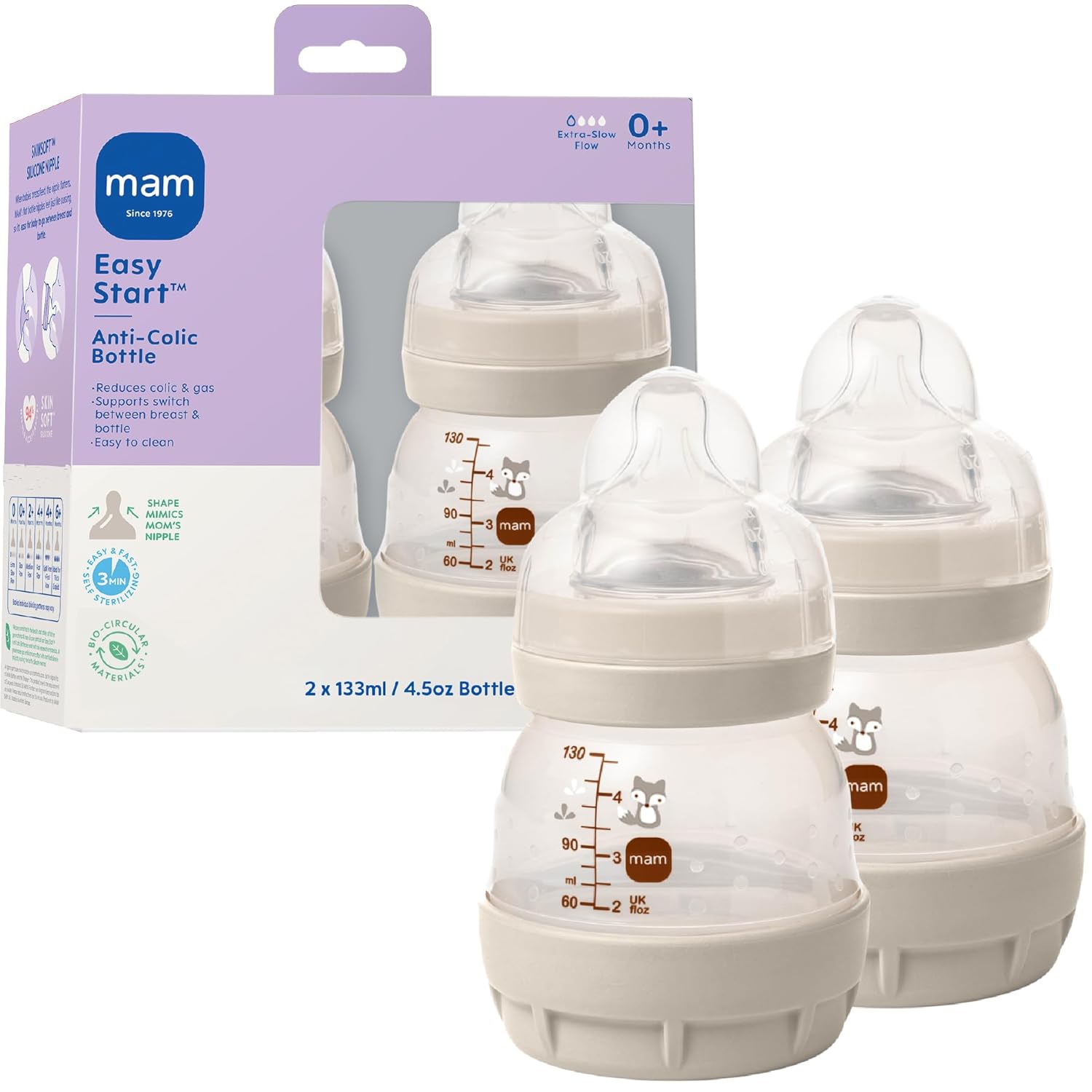
Paced feeding means holding the bottle more horizontally so your baby controls the flow. Slower feeds can reduce swallowed air and overfeeding, both of which make spit-up worse. Try a slow-flow nipple and pause every few ounces to burp.
Related Guides
For babies who are also gassy, read our guide to the best formulas for gassy newborn babies. For a sensitive tummy, see our best newborn formula for sensitive stomach guide.
Final Verdict on the Best Formula for Spit Up
Enfamil Optimum Gentlease is the best formula for spit up in this list for babies who are also gassy or fussy. Bubs Goat Milk is an option for gentle digestion without a milk allergy. For frequent spit-up, ask your pediatrician about a thickened A.R. formula.
Best Formula for Spit Up FAQs
Parents searching for a formula for spit up often ask what is normal and when to switch.
Is daily spit-up normal?
Yes, for many babies, especially under six months, if they are growing well.
Will changing formula stop spit-up?
Sometimes it helps, but many babies simply outgrow spit-up.
What is the difference between spit-up and vomiting?
Spit-up flows out gently; vomiting is forceful and may need a doctor’s attention.
How long should I try a new formula?
About one to two weeks, with your pediatrician’s guidance.




Write Your Review
No reviews yet. Be the first to share your experience!