

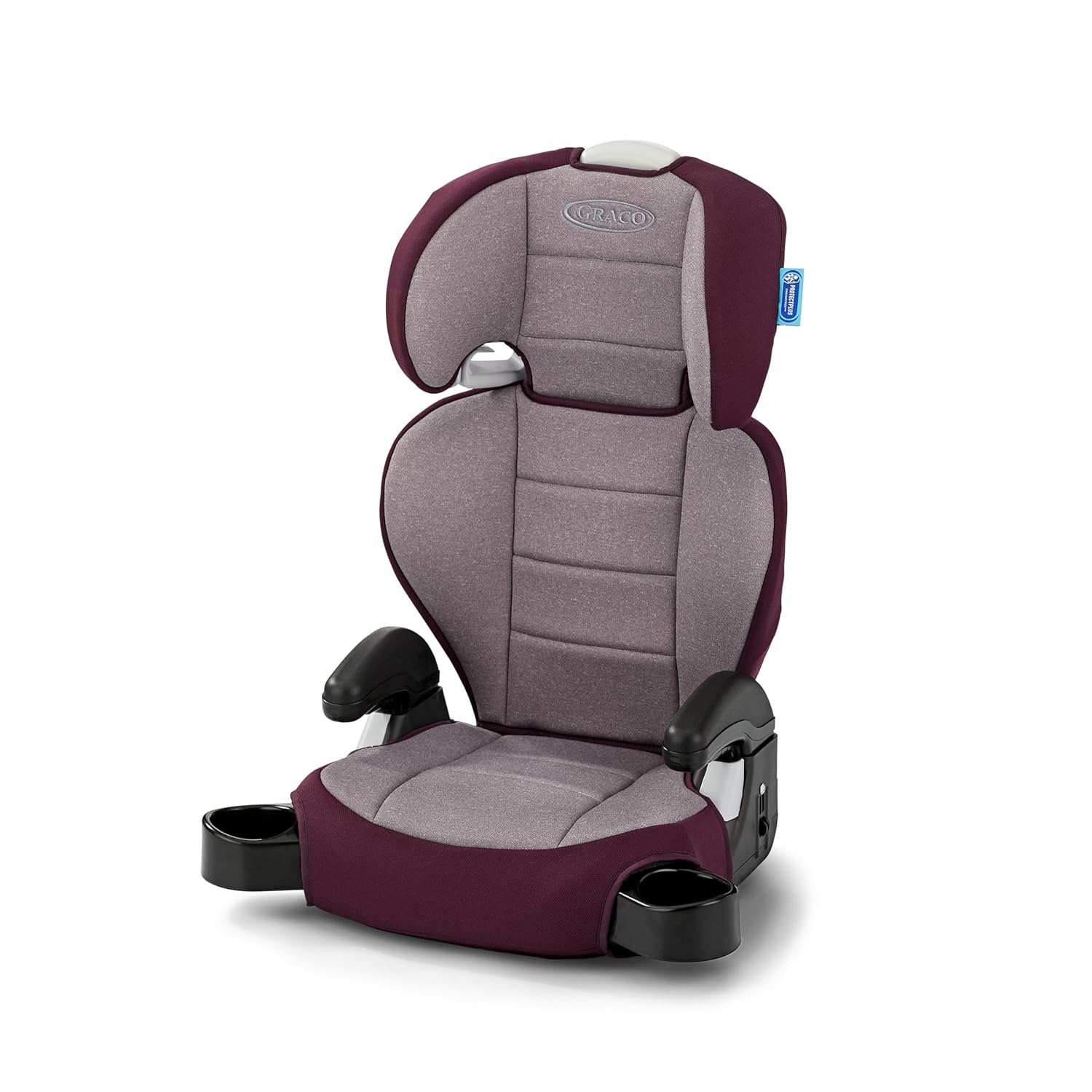
The best slim high back booster in our product box is the Graco TurboBooster 2.0, a highback booster for children roughly 4 to 10 years old that also converts to a backless booster. The box includes only one other product, the BubbleBum inflatable booster, which is very slim but has no back at all, so it is a travel option rather than a true high back booster.
That makes this a short guide, but an important one. A high back booster positions the adult seat belt across your child’s shoulder and adds head support, which matters for children who fall asleep in the car or ride in seats without a headrest.
Best Slim High Back Booster Picks
Our best slim high back booster pick is the Graco TurboBooster 2.0, with the BubbleBum as a very narrow backless option for travel and carpools. Prices appear in the product cards below.
Pros
- Two-in-one design eliminates the need to purchase multiple booster seats as your child grows
- Adjustable features ensure proper fit and comfort throughout the entire 4-10 year age range
- Exceptional safety ratings and rigorous crash testing provide confidence in protection
- Practical storage solutions and thoughtful design details enhance everyday usability
- Strong customer satisfaction with over 4.7-star average rating from verified buyers
Cons
- Highback design takes up more vehicle space compared to backless-only booster options
- Some users report the seat may be snug in smaller vehicles or when multiple car seats are needed
- Transition from highback to backless mode requires manual adjustment and may need parental guidance
The Graco TurboBooster 2.0 is a convertible highback booster car seat designed for children ages 4-10, weighing 40-100+ pounds and up to 57 inches tall. It's the ideal solution for parents seeking a single seat that adapts to their child's growth stages, eliminating the need for multiple purchases over several years.
This booster excels with its two-mode design: the highback configuration provides head and neck support for younger children, while the removable backrest converts it to a backless booster as your child matures. Height-adjustable armrests and head support ensure proper fit throughout the years. The hide-away cup holders add practical convenience for daily drives and road trips without creating clutter.
Safety is paramount with the TurboBooster 2.0. Graco engineered this seat with top-notch protection features and subjected it to rigorous crash testing under extreme interior car temperatures, following New Car Assessment Program standards. Parents can feel confident knowing their child is protected by professional-grade safety measures on every journey.
The main consideration is space, as the highback design occupies more room than backless-only boosters. In vehicles with limited seating space or when installing multiple car seats, this may require careful positioning. Additionally, transitioning from highback to backless mode involves manual adjustment that requires parental attention.
Overall, the Graco TurboBooster 2.0 represents excellent value for families needing a reliable, long-lasting booster seat. Its combination of verified safety, convertible design, and practical features makes it a smart investment that grows with your child while maintaining the protection and comfort they need.
Age and Size Range: Suitable for children ages 4-10 years old, weighing 40-100+ pounds and up to 57 inches tall.
Design Features: Highback booster that converts to backless mode. Height-adjustable armrests and head support. Hide-away cup holders for beverage storage.
Safety Standards: Crash tested under extreme interior car temperatures following New Car Assessment Program standards. Engineered with top-notch safety measures for impact protection.
Color: Freya (as specified in product variant).
When to Choose This Seat: The TurboBooster 2.0 is ideal if you need a single booster seat to last through multiple years of growth, want the added head and neck support of a highback design for younger children, or prioritize safety features and crash testing credentials.
Space Considerations: Measure your vehicle's back seat to ensure adequate space for the highback configuration. If space is extremely limited, consider backless-only alternatives or check if the highback fits comfortably in your specific vehicle model.
Installation and Transition: Plan the transition from highback to backless mode based on your child's size, comfort, and maturity level. Typically, children around 8-9 years old begin using the backless configuration, but individual needs vary.
Maintenance: Check manufacturer guidelines for fabric care and cleaning. Regularly inspect the seat for wear and ensure all adjustment mechanisms function properly throughout the years of use.
Pros
- Exceptional portability and space-saving design ideal for travel
- Simple inflation process makes it practical for on-the-go use
- Solid safety ratings and compliance with car seat standards
- Affordable option for families needing a secondary booster seat
- Positive user feedback from frequent travelers and multi-vehicle households
Cons
- Requires manual inflation each use, which some parents find inconvenient
- May not be ideal as a primary, daily-use car seat for regular commuting
- Durability concerns with repeated inflation cycles over extended periods
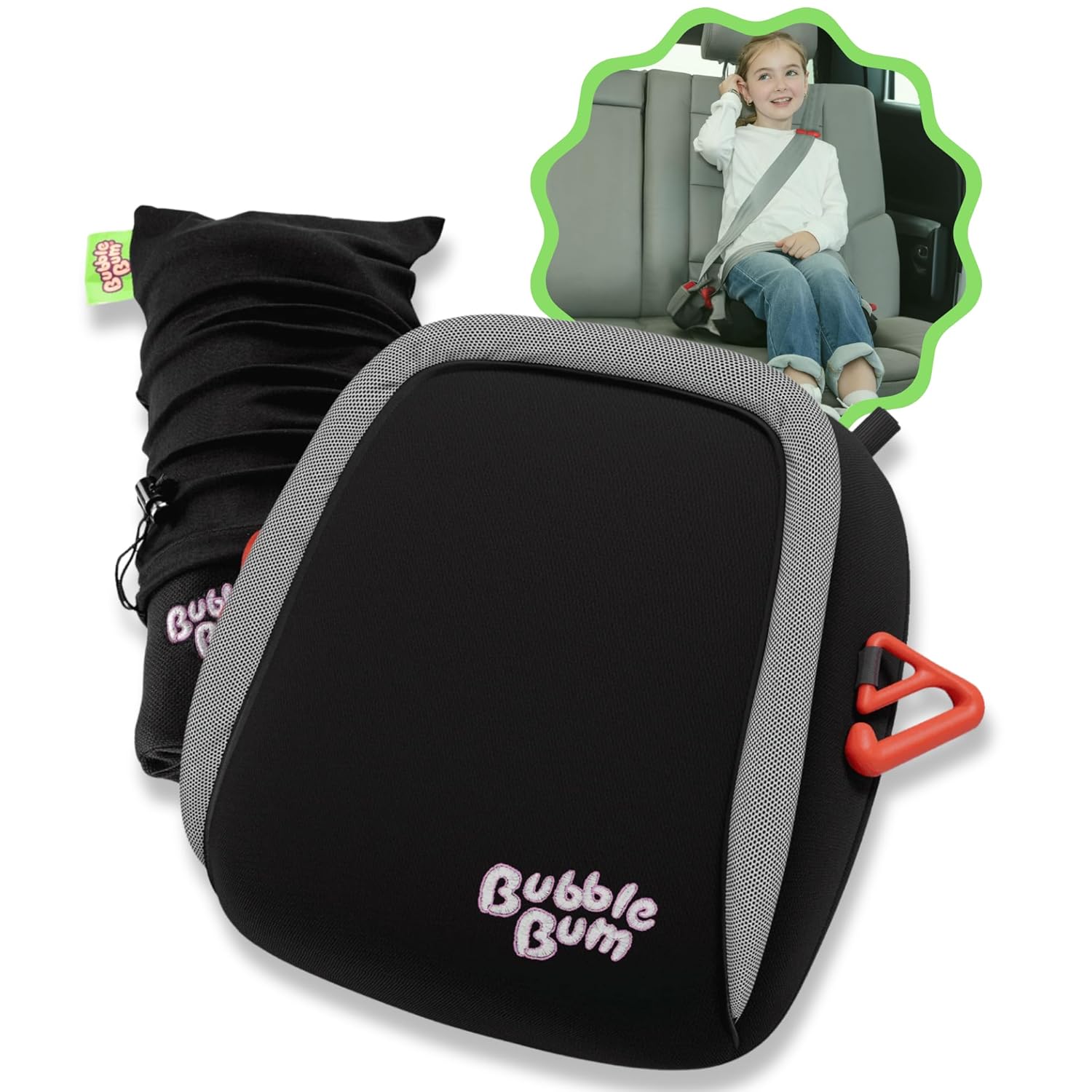
The BubbleBum Inflatable Booster Seat is a backless booster designed for parents and caregivers seeking a lightweight, portable solution for child car safety. It's ideal for families who travel frequently, use multiple vehicles, or need a backup booster seat for grandparents and babysitters who don't have their own car seats.
This product stands out for its innovative inflatable design that transforms from a full-size booster into a compact, packable form factor. The seat provides proper positioning and elevation for children, helping ensure correct seat belt fit without adding significant weight or bulk to your vehicle or travel bag.
Build quality is straightforward and practical. The inflatable construction uses durable materials that withstand repeated inflation and deflation cycles. Setup is refreshingly simple, requiring only a few breaths or a manual pump to inflate. The backless design keeps the overall weight minimal while maintaining safety compliance for booster seat requirements.
The main consideration is that this works best as a supplementary seat rather than a primary daily-use car seat. Some users report that manual inflation before each use becomes tedious, though this is also what enables the portability advantage. The seat's longevity depends on careful handling and storage.
Overall, the BubbleBum delivers excellent value for travelers and multi-car families. Its unique combination of safety compliance and portability addresses a real need for many households, making it a practical investment for families who prioritize convenience without sacrificing child safety.
This booster seat works best for families with specific travel and lifestyle needs. It's perfect for frequent road trips, air travel, and visits to grandparents' homes where a dedicated car seat isn't practical.
Multi-vehicle households benefit greatly from having a backup booster seat that doesn't require permanent installation. Caregivers like grandparents, nannies, and babysitters appreciate having an easy-to-store option available.
The BubbleBum is less suitable for primary daily commuting or children who need a high-back booster seat with additional head and neck support. Families prioritizing maximum durability for heavy daily use may want to consider traditional booster seat options instead.
When considering the BubbleBum, first assess your primary need. Is this a primary seat for daily use or a supplementary option for travel and occasional use? This distinction will help determine if this product matches your household's requirements.
Consider the age and size of your child. The BubbleBum is designed for children within specific weight ranges, so verify compatibility with your child's current measurements and anticipated growth.
Evaluate your lifestyle and travel frequency. If you travel frequently or maintain multiple vehicles, the portability benefits justify the investment. For single-vehicle, daily-commute households, a traditional booster seat may offer better value and convenience.
Budget approximately 15-20 minutes for the first setup to understand the inflation process. Keep the included pump accessible for future uses, or consider a quality manual pump for easier inflation on subsequent trips.
Best Slim High Back Booster Options Reviewed
Only one slim high back booster appears below, alongside a narrow backless booster for travel.
- Graco TurboBooster 2.0 Highback Booster: The TurboBooster 2.0 has an adjustable headrest with a shoulder belt guide, and the back removes so the seat can become a backless booster later. The listing reports strong crash-test results. It is light and not very wide, so it fits beside other seats in many cars.
- BubbleBum Inflatable Backless Booster: The BubbleBum deflates to fit in a backpack, which makes it handy for taxis, holidays, and carpools. It raises your child so the lap belt sits on the thighs, but it gives no side or head support, so it is best for older children and short trips.
Best Slim High Back Booster Buying Advice
Choosing the best slim high back booster depends on your child’s size, your vehicle, and whether the seat needs to travel.
Readiness for a Booster
Readiness for a booster depends on the child, not just age. Keep your child in a five-point harness until they reach the harness limits and can sit properly for the whole trip without slouching or playing with the belt.
Belt Fit
Belt fit is the most important check. The lap belt should lie low across the hips and upper thighs, and the shoulder belt should cross the middle of the shoulder and chest, never the neck.
Width and Buckle Access
Width and buckle access matter in tight back seats. A slimmer seat leaves room for the seat-belt buckle so your child can buckle independently.
LATCH Connectors
LATCH connectors on some boosters hold the seat in place when unoccupied. They are a convenience feature, because the seat belt is what restrains your child.
When to Move to a Backless Booster
Most children should stay in a high back booster until the shoulder belt fits correctly without the guide and the vehicle seat has a headrest that reaches above their ears.
When to Stop Using a Booster
Children usually need a booster until about 4 feet 9 inches tall, often between ages 8 and 12. Use the five-step test: back against the seat, knees bending at the edge, belt on thighs, belt across chest, and able to sit that way the whole ride.
Carpools and Second Cars
If your child rides with grandparents or friends, a light booster is easy to hand over, but show the other driver how the shoulder belt guide works so the fit stays correct.
Related Guides
For more options, read our guide to the best high back booster seat models. If you need a travel seat, see our best travel booster seat picks.
Final Verdict on the Best Slim High Back Booster
The Graco TurboBooster 2.0 is the best slim high back booster in this comparison, with head support now and a backless mode later. Keep a BubbleBum for taxis and carpools once your child is ready for a backless booster.
Best Slim High Back Booster FAQs
Parents comparing a slim high back booster often ask about age, fit, and travel.
What age is right for a high back booster?
Usually around 4 or older, once your child outgrows the harness and can sit still.
Is a backless booster as safe?
It positions the lap belt, but a high back adds head and shoulder-belt guidance.
Can I use a booster with a lap-only belt?
No. Boosters require a lap and shoulder belt.
How do I know if the belt fits?
Use the five-step test described above.


Write Your Review
No reviews yet. Be the first to share your experience!